Services
Unlocking Agricultural Potential with NDVI Technology
In the ever-evolving world of precision agriculture, staying ahead of the curve is crucial for optimizing crop yields and resource management. One technology that has revolutionized farming practices is Normalized Difference Vegetation Index (NDVI).
What is NDVI?
NDVI is a powerful tool that harnesses the capabilities of agricultural drones to assess the health and vitality of crops.This technology will detect crop stress and concerns at least 10 days before the naked eye can detect any signs. It is a numerical indicator that measures the difference between visible and near-infrared light reflected by vegetation. This data is then transformed into a scale from -1 to 1, with higher values indicating healthier and more robust plant growth.
Capabilities of NDVI:
1) Crop Health Assessment: NDVI provides farmers with a quick and accurate assessment of crop health. By analyzing the reflection of light, it can detect stress factors such as nutrient deficiencies, pest infestations, or disease outbreaks early in the growing season. This allows for timely interventions, reducing crop loss and increasing yields.
2) Optimizing Irrigation: NDVI data helps in efficient irrigation management. By identifying areas with varying moisture levels within a field, farmers can make precise decisions about when and where to water. This reduces water wastage and minimizes the risk of overwatering or underwatering.
3) Precision Fertilization: Understanding the nutrient needs of crops is crucial for maximizing productivity. NDVI data enables farmers to create variable rate application maps, ensuring that fertilizers are distributed where they are needed most. This not only saves costs but also minimizes environmental impact.
4) Weed Detection: Weeds compete with crops for resources and can significantly reduce yields. NDVI can distinguish between crops and weeds based on their reflectance properties, allowing for targeted herbicide application, reducing chemical use, and improving sustainability.
5) Yield Prediction: By monitoring crop health throughout the season, NDVI technology can provide insights into potential yield. This information enables farmers to make informed marketing and harvesting decisions.
6) Mapping Field Variability: NDVI data helps create detailed field maps that highlight areas with different levels of crop stress or growth. This aids in creating management zones for tailored treatments, optimizing inputs, and improving overall farm efficiency. Incorporating NDVI technology into your agricultural drone operations can revolutionize the way you manage your crops. It empowers you to make data-driven decisions, increase yields, and promote sustainable farming practices. As the agriculture industry continues to evolve, NDVI stands as a valuable ally for modern farmers seeking to thrive in a competitive and dynamic landscape.


(Left image) Shows a field captured with a normal RGB camera. (Right image) Shows the same field with the
NDVI algorithm applied to it, captured with an NIR camera.

Drone Spraying Technology
Revolutionizing Crop Management with Drone Spraying Technology
In the realm of modern agriculture, efficiency and precision are the cornerstones of success. Agricultural drones have emerged as a gamechanging tool, offering a wide array of capabilities, with one of the most significant being drone spraying.
What is Drone Spraying?
Drone spraying, also known as precision aerial application, is a revolutionary approach to crop management. It involves the use of specialized agricultural drones equipped with spraying systems to precisely apply fertilizers, pesticides, herbicides, and other agrochemicals to crops with pinpoint accuracy.
Capabilities of Drone Spraying:
1) Precision Application: Unlike traditional methods, which often result in uneven distribution of chemicals, drone spraying offers unparalleled precision. It allows for the exact targeting of specific areas, reducing chemical wastage and ensuring that only the intended crops receive treatment.
2) Reduced Environmental Impact: With precise application, drone spraying minimizes the environmental footprint of agricultural practices. It significantly reduces the risk of chemical drift and runoff, protecting nearby water sources and ecosystems.
3) Improved Safety: Drone spraying eliminates the need for farmers to handle and apply agrochemicals manually. This reduces exposure to potentially harmful substances, enhancing the safety of both farmers and consumers.
4) Efficiency and Speed: Drones can cover large areas quickly and efficiently, significantly reducing the time required for spraying operations. This enables farmers to treat their fields in a timely manner, especially during critical growth stages.
5) Access to Challenging Terrain: Drones can access fields and terrains that may be difficult or dangerous for traditional machinery. This includes steep slopes, wetlands, and remote areas, providing farmers with more comprehensive coverage.
6) Real-time Monitoring: Some advanced drone systems offer real-time monitoring and data collection during spraying operations. This allows farmers to assess the effectiveness of treatments, make adjustments on the fly, and gather valuable insights for future crop management decisions.
7) Scalability: Drone spraying technology is highly scalable. Whether you have a small family farm or a vast agricultural operation, we can tailor our drone solutions to meet your specific needs.By incorporating drone spraying capabilities into your farming practices, you’re not only improving efficiency and productivity but also contributing to more sustainable and environmentally-friendly agriculture. It’s a testament to the ever-evolving landscape of modern farming, where technology meets tradition to ensure bountiful harvests and a brighter future for agriculture.
Explore the world of drone spraying and discover how it can transform the way you manage your crops, increase yields, and reduce the
ecological impact of your farming operations. Embrace the future of agriculture with precision and innovation through drone spraying
technology.
Drone Spreading Technology for Fertilising
Elevate Your Farming with Drone Fertilizer Spreading
In today’s rapidly evolving agricultural landscape, innovation is the key to optimizing crop yields and resource management. One technology that’s revolutionizing farming practices is the use of agricultural drones for precise fertilizer spreading.
What is Drone Fertilizer Spreading?
Drone fertilizer spreading involves the deployment of our specialized agricultural drones equipped with precision spreading systems to evenly distribute fertilizers across your fields. This approach offers numerous advantages that can transform the way you fertilize your crops.
Capabilities of Drone Fertilizer Spreading:
1) Uniform Coverage: Unlike traditional fertilizer spreaders, which may result in uneven distribution, drone-based systems provide uniform coverage. This ensures that every inch of your field receives the right amount of nutrients, leading to healthier and more consistent crop growth.
2) Customized Application: With drone technology, you can create customized application plans based on your specific crop and soil requirements. Tailoring your fertilizer application allows you to optimize nutrient levels and maximize yields.
3) Reduced Waste: Precise application minimizes fertilizer wastage, saving you money and reducing the environmental impact of excess runoff or leaching. You only apply what your crops need, enhancing sustainability.
4) Time and Labour Savings: Drone fertilizer spreading is a time-efficient solution. Drones can cover large areas quickly, reducing the need for manual labor and freeing up your valuable time for other essential farming tasks.
5) Safety and Convenience: By eliminating the need for manual fertilizer spreading, drones enhance safety on the farm. You and your workers are exposed to fewer potential hazards, ensuring a safer working environment.
6) Real-time Monitoring: Some advanced drone systems offer real-time monitoring and data collection during fertilizer spreading. This enables you to track the progress of your operation and make adjustments as needed to achieve optimal results.
7) Terrain Flexibility: Drones can access fields of various terrains, including challenging or hard-to-reach areas. This versatility ensures that all parts of your farm receive the necessary nutrients. Embracing drone fertilizer spreading is a proactive step towards a more efficient, sustainable, and productive farming
future. It empowers you to make data-driven decisions, increase yields, and minimize the environmental impact of your agricultural practices.
Explore the possibilities of drone technology in fertilizing your crops and discover how it can elevate your farming
operations to new heights. Welcome the future of agriculture with precision and innovation through drone fertilizer
spreading.

Drone Fruit Fly control
Revolutionizing Fruit Fly Control with Drone Baiting Technology
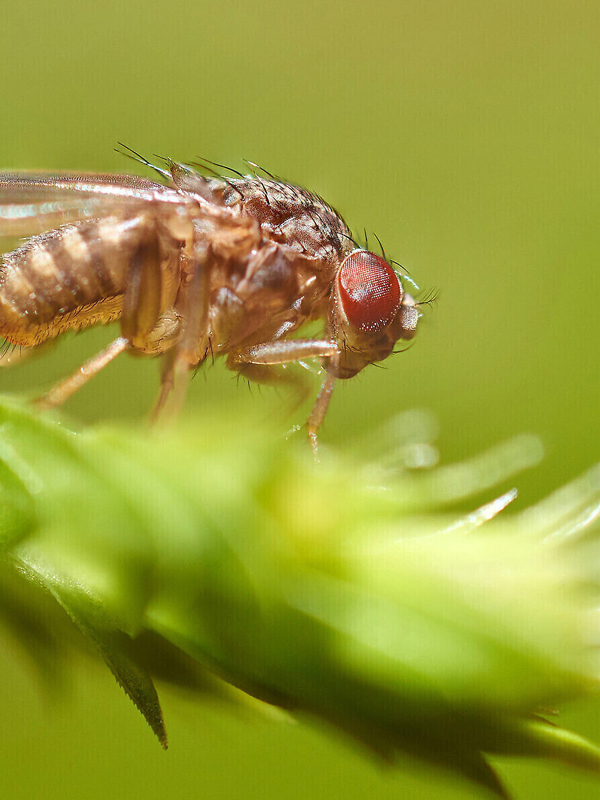
In the world of agriculture, protecting fruit crops from pests is a constant challenge. Among the most notorious of these pests is the fruit fly, which can wreak havoc on orchards and vineyards. Enter drone fruit fly baiting – a cutting-edge solution that’s changing the game.
What is Drone Fruit Fly Baiting?
Drone fruit fly baiting involves the use of specialized agricultural drones equipped with bait-dispensing systems to combat fruit fly infestations. This innovative approach offers a host of benefits for growers looking to safeguard their precious harvests. This application can be administered even if your crop is under shade cloth and netting.
Capabilities of Drone Fruit Fly Baiting:
1) Precision Application: Unlike traditional baiting methods, which may have limited accuracy, drone-based systems provide precise application. This means that the bait is distributed exactly where it’s needed to attract and control fruit fly populations.
2) Timely Intervention: Drones can be deployed quickly when fruit fly infestations are detected or during critical stages of crop development. This ensures that you can address the problem promptly, minimizing damage to your crops.
3) Reduced Environmental Impact: By targeting fruit fly hotspots with precision, drone baiting reduces the need for widespread pesticide use. This environmentally friendly approach minimizes chemical exposure and promotes sustainability.
4) Efficiency and Cost Savings: Drone fruit fly baiting is an efficient and cost-effective solution. It can cover large areas in a relatively short time, reducing the labour and resources required for manual baiting.
5) Consistency: Drones offer consistent and uniform application, reducing the risk of human error that can occur with manual methods. This consistency ensures that bait and insecticide are distributed evenly across the target area.
6) Safety: Using drones for baiting eliminates the need for workers to handle potentially hazardous chemicals. It
enhances the safety of your workforce and reduces health risks associated with traditional fruit fly control methods.
7) Data Collection: Some advanced drone systems offer data collection capabilities, allowing you to monitor baiting operations in real time. This data can be used to assess the effectiveness of treatments and make informed decisions for future pest control strategies.
By incorporating drone fruit fly baiting into your crop protection arsenal, you’re taking a proactive step towards more efficient, sustainable, and productive farming. It empowers you to combat fruit fly infestations with precision and innovation.
Explore the possibilities of drone technology in fruit fly control and discover how it can help safeguard your fruit crops, increase yields, and minimize the environmental impact of pest management. Embrace the future of agriculture with drone fruit fly baiting and watch your orchards and vineyards thrive.
Transforming Agriculture with Drone Seeding
Modern agriculture, requires one to stay ahead of the curve, and it is vital for maximizing crop yields and resource utilization. Enter drone seeding – a ground-breaking technology that’s revolutionizing the way we sow the seeds of tomorrow’s harvest.
What is Drone Seeding?
Drone seeding is the process of using specialized agricultural drones equipped with seeddispensing systems to precisely plant seeds in agricultural fields. This innovative approach offers a multitude of benefits for farmers looking to optimize their planting operations.
Capabilities of Drone Seeding:
1) Precision Planting: Unlike conventional seeding methods, which can result in uneven seed distribution, drone seeding ensures accurate placement of seeds. This precision leads to uniform germination and healthier crop stands.
2) Customized Planting: With drone technology, you can now tailor your seeding plan to match your specific crop and soil conditions. This customization allows you to optimize seed spacing, depth, and variety for maximum yield potential.
3) Efficiency and Speed: Drones can cover large areas quickly and efficiently, reducing the time required for planting operations. This is especially valuable during planting windows when timely sowing is crucial for crop success.
4) Reduced Labour Costs: Drone seeding reduces the need for manual labour in planting, saving on labour costs and freeing up your workforce for other essential tasks.
5) Versatility: Drones can access fields with varying terrain, including those that may be challenging or remote. This flexibility ensures that all areas of your farm receive proper seeding.
6) Data-Driven Insights: Some advanced drone systems offer data collection capabilities during the seeding process. This data can be used to assess planting efficiency and make informed decisions for future planting strategies.
